Xi’an Terra Cotta Warriors Tickets Booking · Private
Visitors can take a taxi and reach at main gate of Xi’an Terra Cotta Warriors, then walk for 2 minutes to the main gate, then show passport to staff at the entrance to enter the attraction.
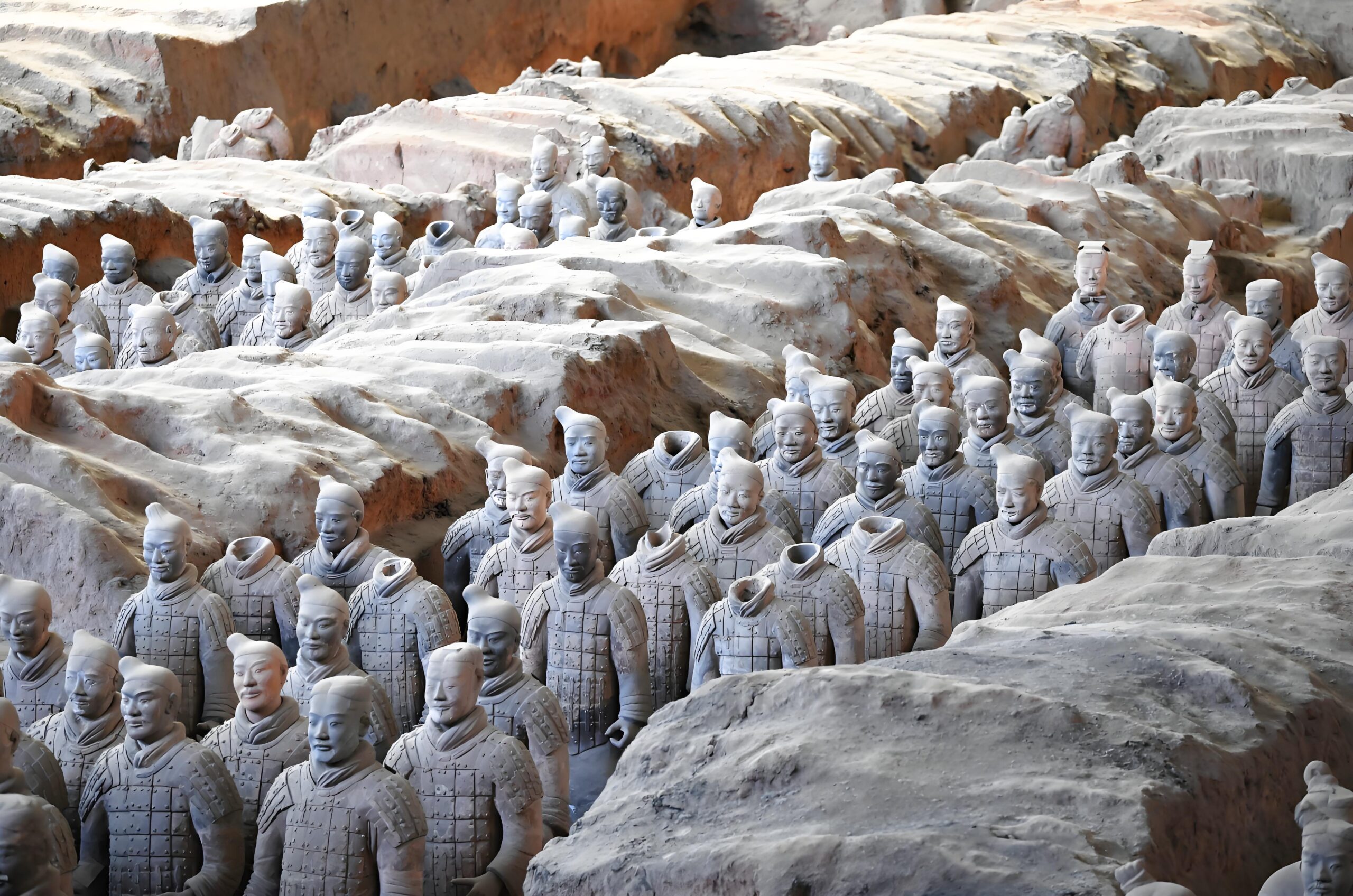
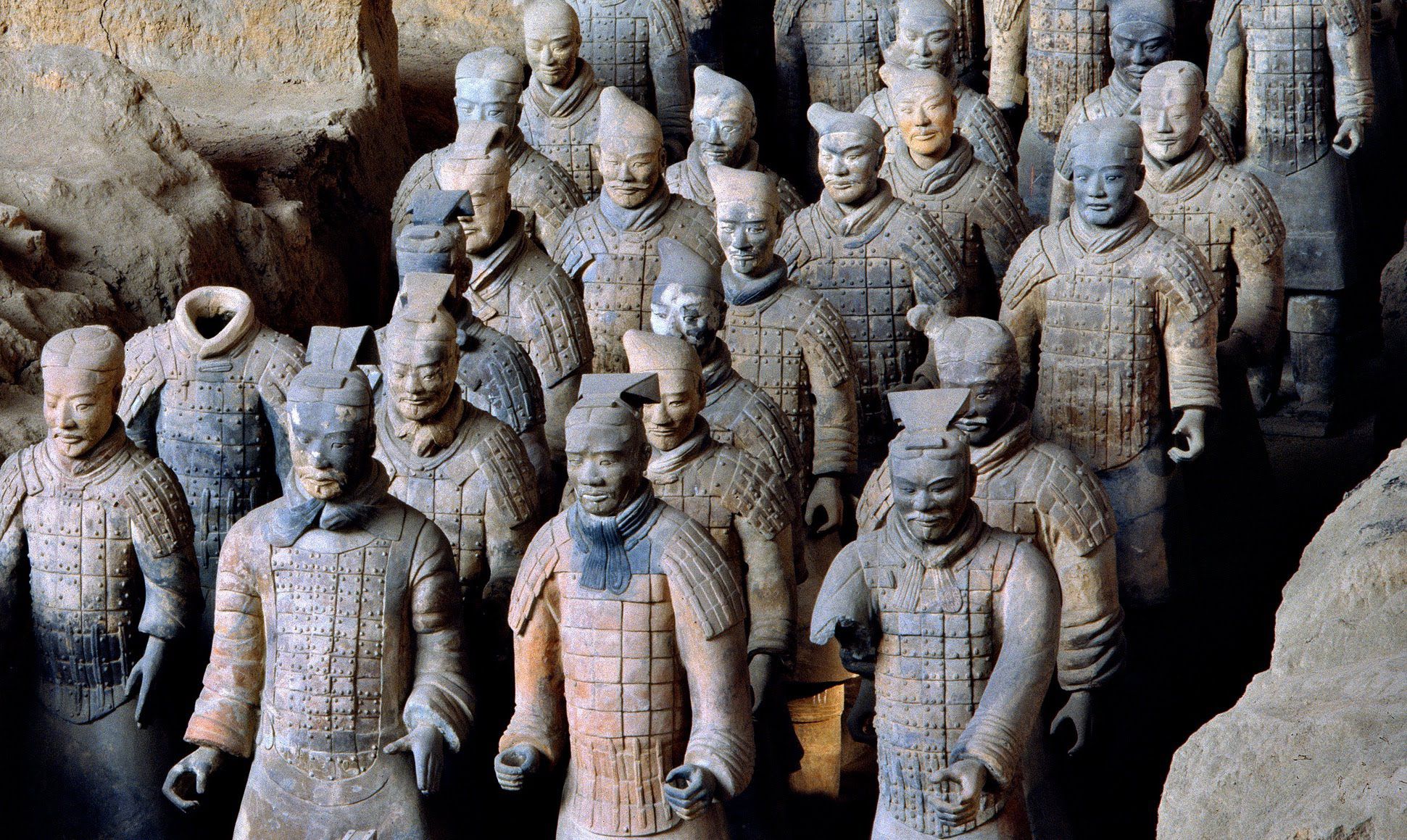
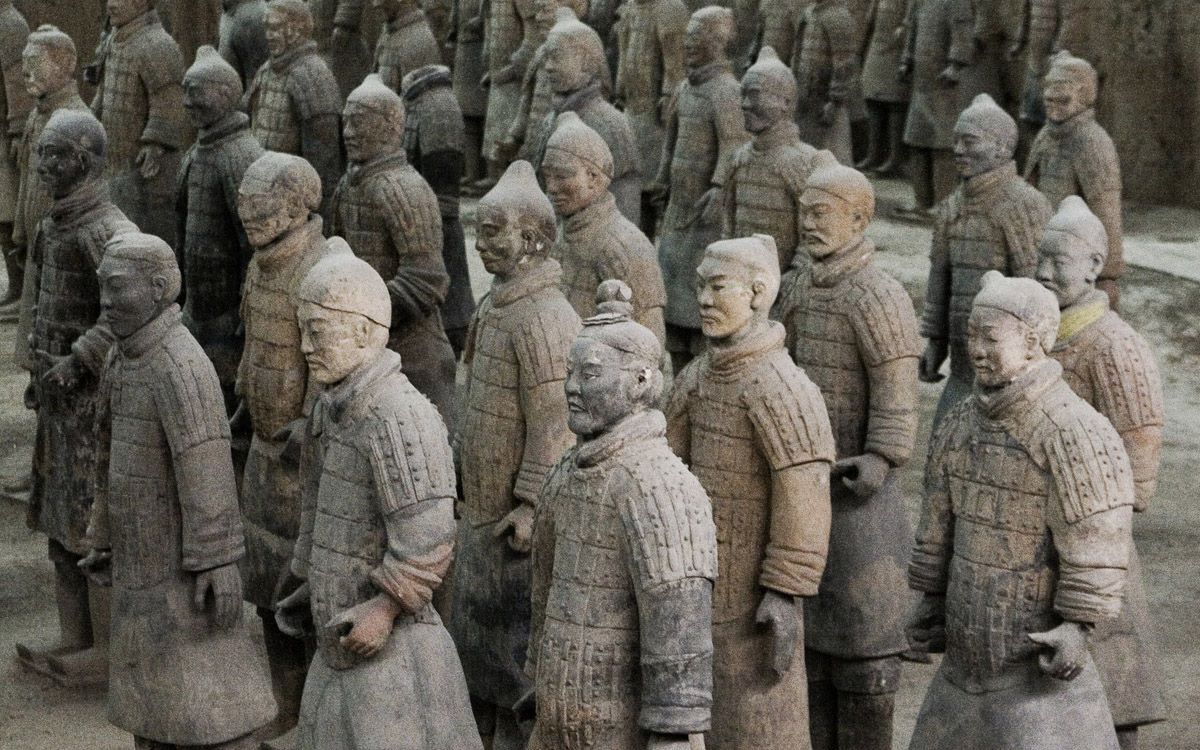
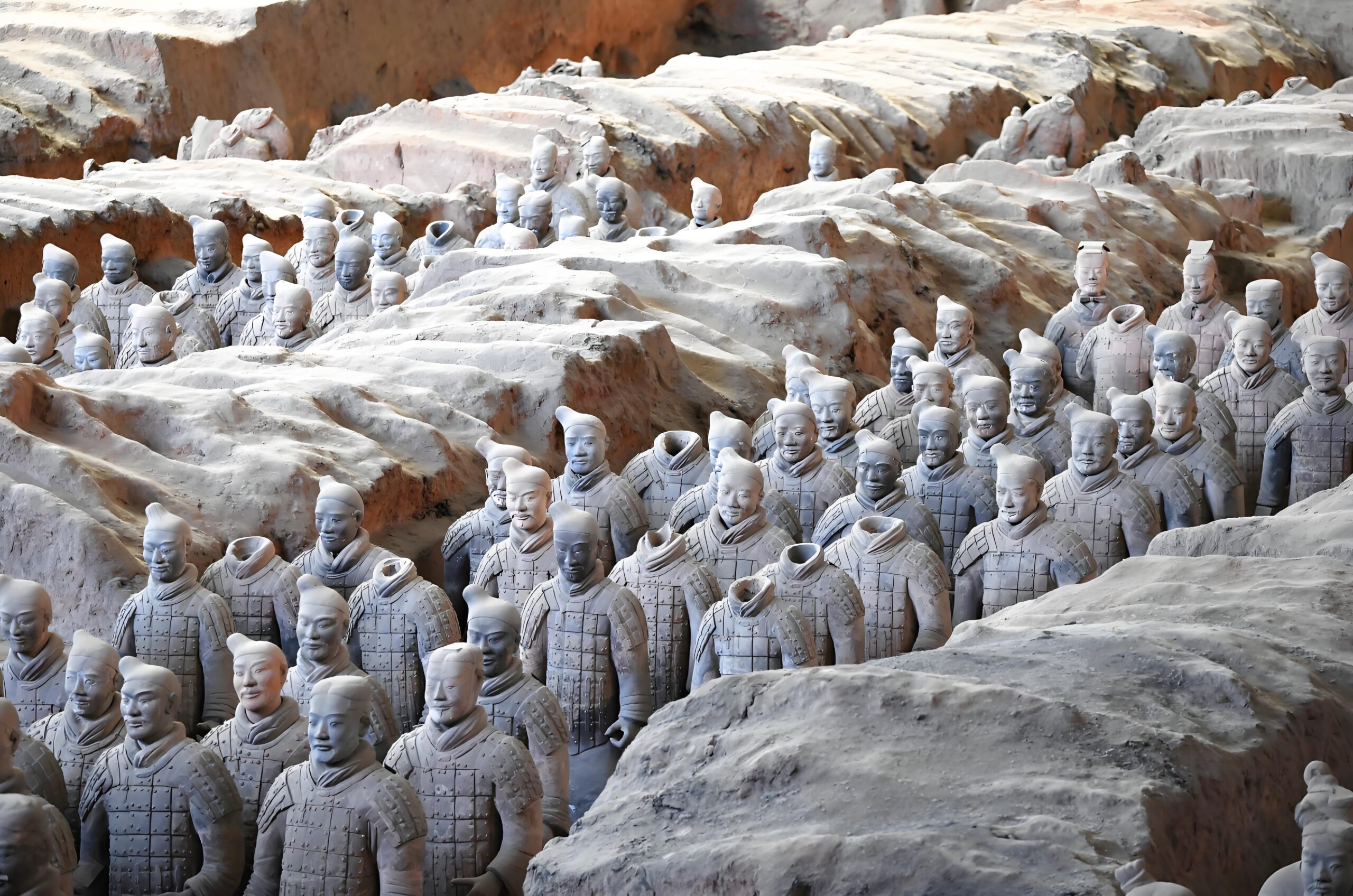
The Terracotta Warriors and Horses, or Terracotta Warriors and Horses of the Mausoleum of Qin Shihuang, also referred to as the Terracotta Warriors and Horses or the Terracotta Warriors of Qin, are the first batch of national key cultural relics protection units, the first batch of China’s World Heritage Sites, and are regarded as one of the top ten rare treasures of ancient tombs in the world. They are located in the Terracotta Warriors and Horses Pit 1.5 kilometers east of the Mausoleum of Qin Shi Huang in Lintong District, Xi’an City, Shaanxi Province, and are the underground military formations built by Emperor Qin Shi Huang to defend his tomb, which is also a great project in ancient China, and a unique cultural heritage in the world.
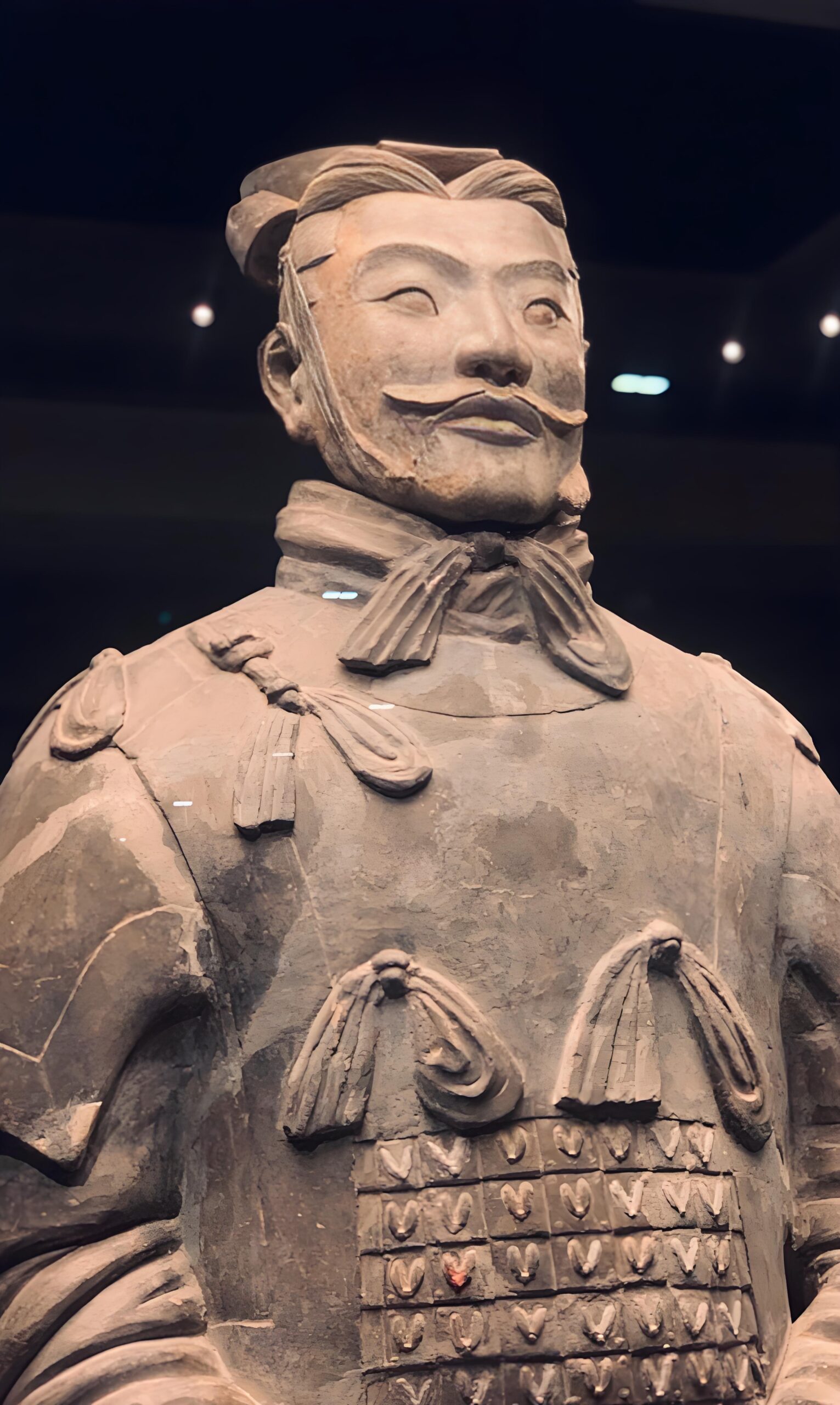
Terracotta warriors and horses are a category of ancient tomb sculptures. In ancient times, human martyrdom was practiced, and slaves were subordinate to the slave masters during their lifetime, and after the death of the slave masters, the slaves had to be buried as martyrs for the slave masters. Terracotta Warriors and Horses were made in the shape of soldiers and horses (chariots, horses and soldiers). After the unification of China, Qin Shi Huang thought that he should continue to enjoy the glory and wealth of his life, so he ordered the construction of a large-scale mausoleum, and accompanied by a large number of gold and silver treasures and terracotta warriors and horses.In March 1974, the Terracotta Warriors and horses were discovered, shocking the world, and was known as the “twentieth century archaeological history of the major discoveries. 1987, the Terracotta Warriors and Horses, the Terracotta Warriors and Horses. In 1987, the Mausoleum of the First Qin Emperor and the Terracotta Warriors and Horses Pit were approved by UNESCO for inclusion in the World Heritage List, and are known as the “Eighth Wonder of the World”.